
Die-Cut Blanks

Often referred to as flats, die-cut blanks are printed and die cut, but do not go through a folder gluer before shipping. The end user assembles and fills the cartons by hand, on their own equipment, or with a hybrid approach.
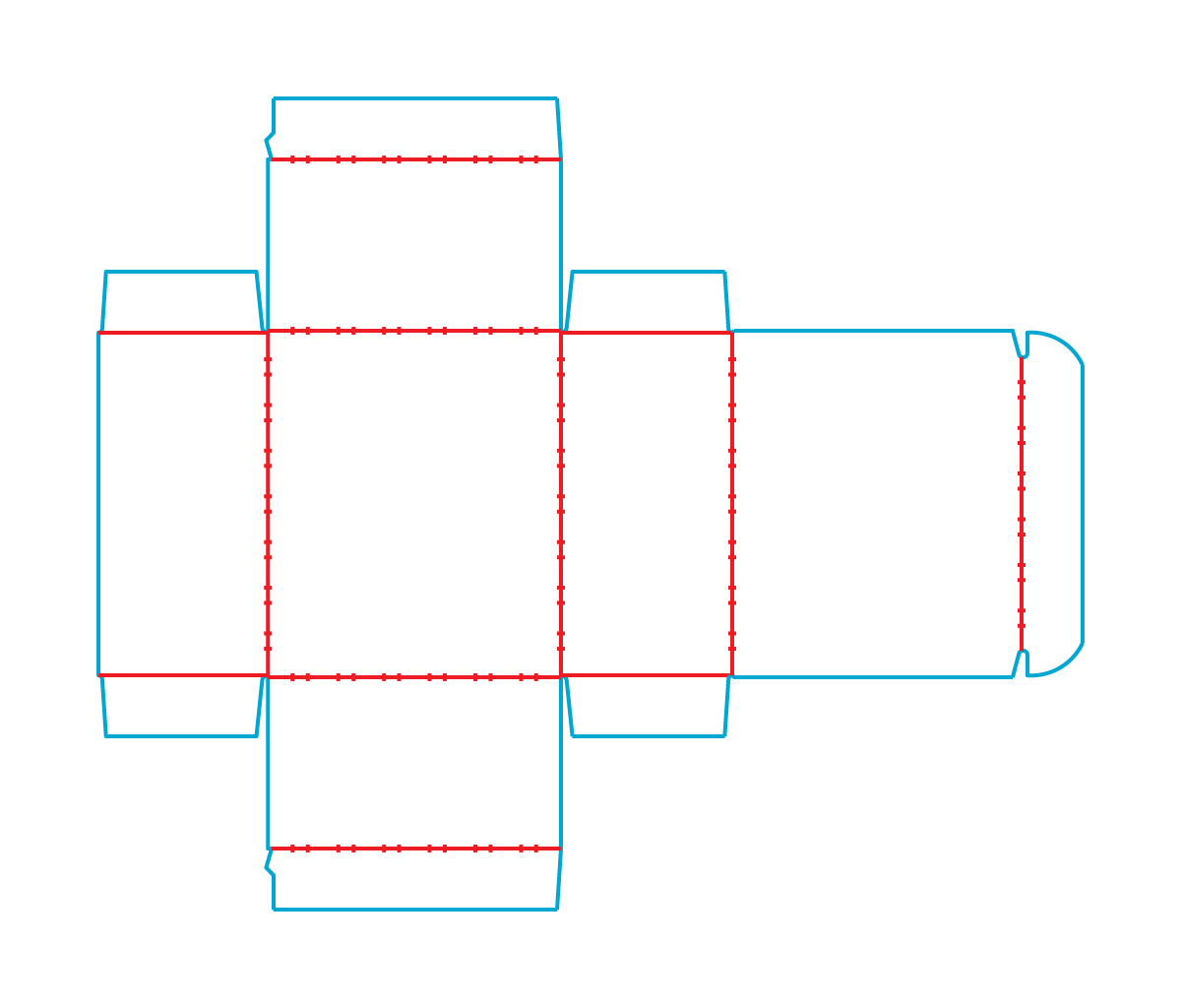
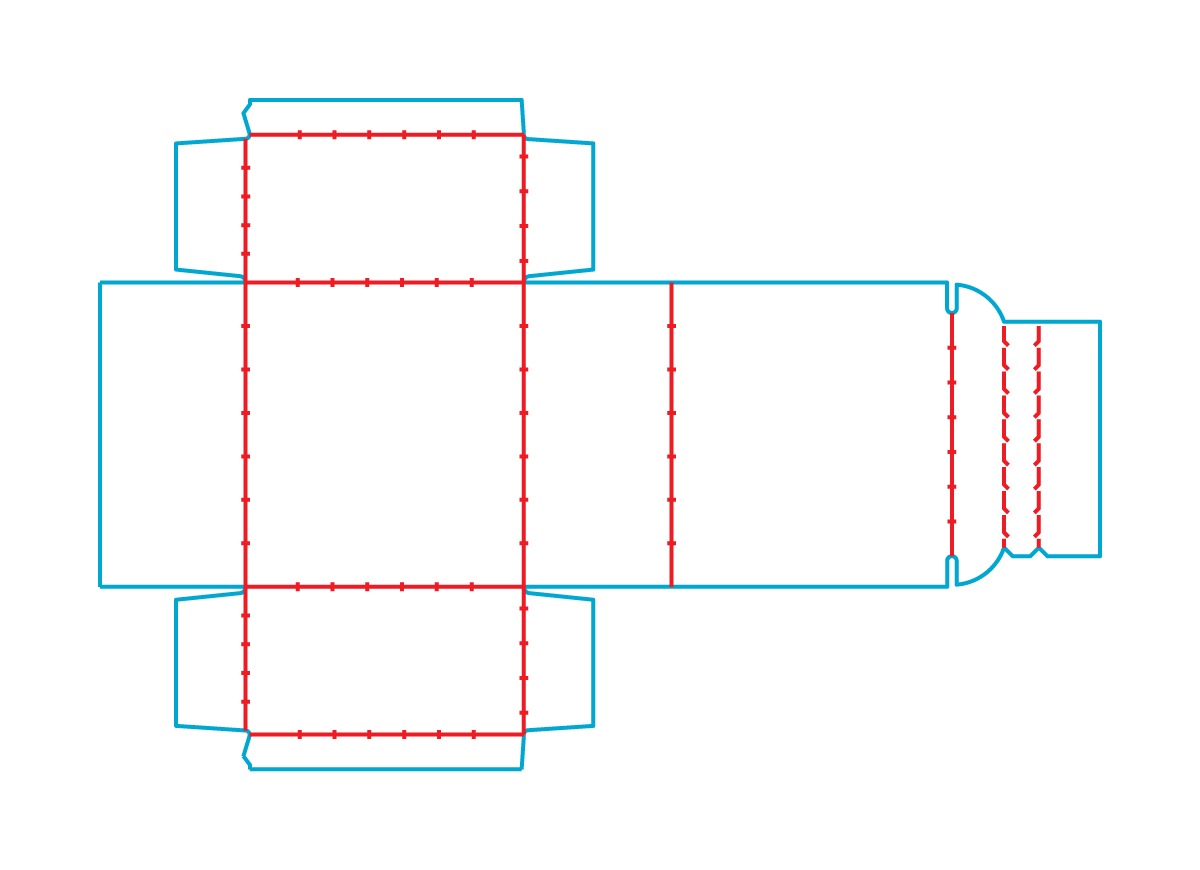
Key Features
- Shipped Flat: Printed and die cut, but not glued, before shipping to the customer flat.
- Assembled by End User: Options for assembly and filling via machine or by hand.
- Versatile Applications: Designed for unique specifications across industries.
Applications
- Pharmaceutical: High-volume solution designed to meet a business’s specific needs.
- Food: Machine formed and filled in high-volume facilities.
- Confectionery and Bakery: Particularly useful for chocolates, cookies, and cakes.
- Medical Devices: Trays, dividers, and inserts protect products efficiently and effectively.
Advantages
- Flexibility: Custom structures can accommodate varying volumes and filling methods.
- Shipping Efficiency: Flats can be shipped in corrugated cases or directly on a pallet.
- Cost Advantages: Shipping directly on pallets reduces material usage and costs.
Hand Formed Flats
Designed to be assembled, filled, and closed manually by the end user, hand formed die-cut blanks are commonly used for confectionery and bakery products.
- Typically used for low volume applications, including chocolates, cookies, and cakes.
- Feature built-in locking mechanisms, eliminating the need for glue.
- Can include cellophane windows for product visibility.
Machine Formed Flats
Customers running high-volume automated packaging lines can form, glue, fill, and close their die-cut cartons in house.
- Shipped flat for freight efficiency, even at high volumes.
- Fast, consistent, and scalable packaging solution.
- Commonly used in pharmaceutical and food industries.

MOD-PAC is the source for high-quality custom packaging for consumer product manufacturers worldwide and stock packaging for the retail confectionery industry.
Our Offices
1801 Elmwood Avenue
Buffalo, New York 14207
1-800-666-3722