

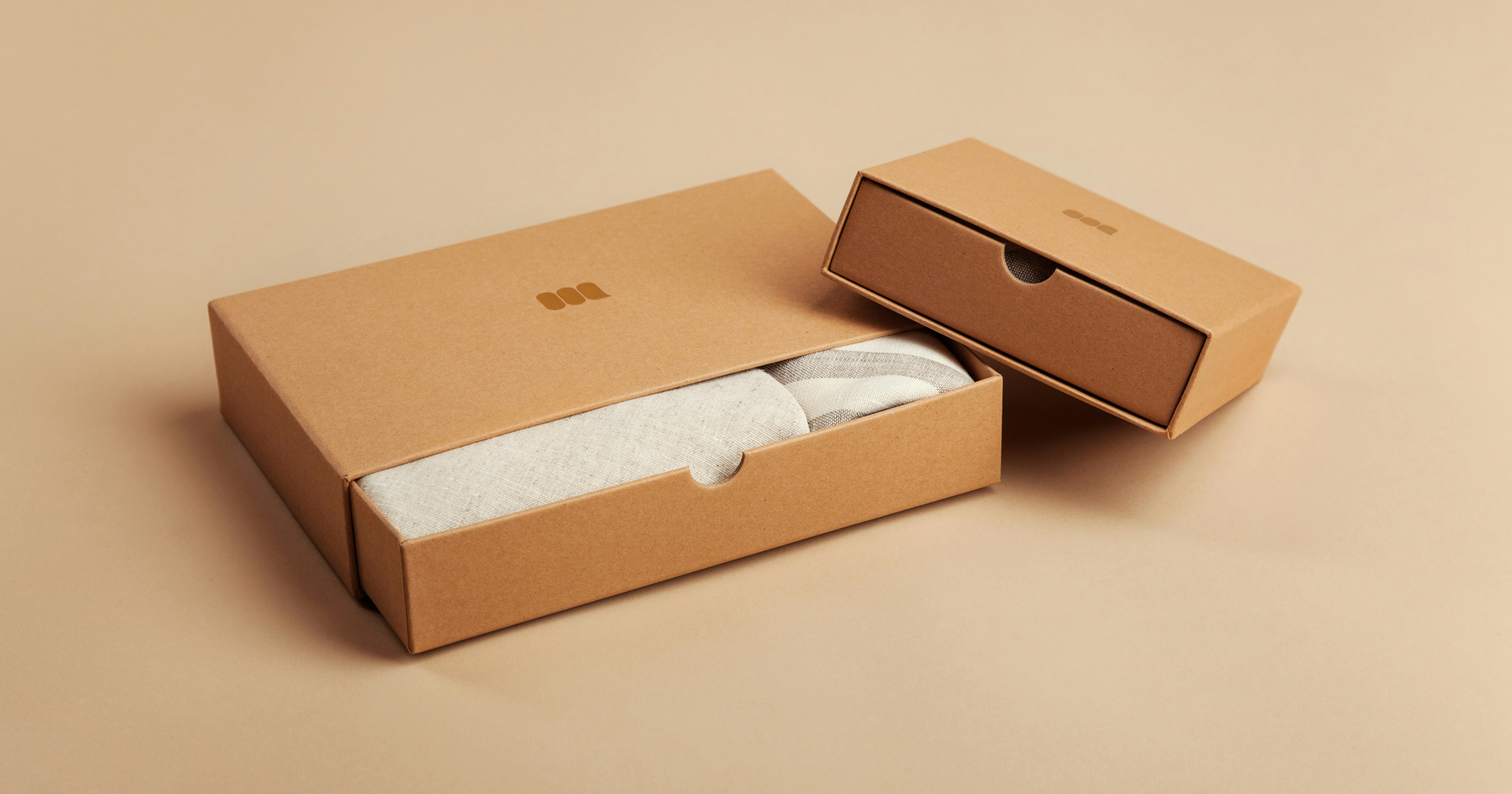
Paperboard is a diverse category of paper products loosely defined by its density, which can be quantified by caliper or grammage. The wood pulp product is generally available in thicknesses ranging from 10 to 40 points and is usually over 180 g/m2. However, paperboard can also be defined by end use, in order to differentiate from other types of thick, dense papers.
Within this classification, there are many types of paperboard manufactured with different makeups, additives, and coatings for a wide variety of uses. For companies using paperboard folding cartons, food sleeves, and partitions to protect and sell their consumer goods, it’s important to understand the materials available and which grade is best suited to their products’ packaging.
Common Types of Paperboard
Virgin Paperboard
Virgin paperboard is a premium packaging option with many benefits. Virgin fibers are strong and durable, yet smooth and flexible. This gives businesses a clean slate for intricate cuts and creases, as well as design elements like embossing and foil. Beauty, pharmaceutical, and some food manufacturers should also consider virgin paperboard because it is less likely to affect the taste or odor of delicate and/or luxury products.
Virgin paperboard is more expensive than recycled alternatives, as it requires costlier raw materials and more energy-intensive manufacturing processes. Eco-conscious consumers may also see virgin paperboard packaging as less environmentally friendly. While recycled alternatives do contribute to a circular supply chain, there is a limit to how many times paper can be repurposed. Some products and packaging also benefit from features only virgin paperboard can offer.

MOD-PAC is committed to responsibly-sourced paperboard and is chain-of-custody certified with both SFI® and FSC®.
Comparing Virgin Paperboards
Material
Solid Bleached Sulfate (SBS)
- Coated: Yes
- Bleached: Yes
- Key Features: Premium option with excellent printability.
Material
Uncoated Unbleached Kraft (UUK)
- Coated: No
- Bleached: No
- Key Features: Strong, durable paperboard often used for packers.
Material
Coated Unbleached Kraft (CUK)
- Coated: Yes
- Bleached: No
- Key Features: Natural material delivering both durability and printability.
MOD-PAC Customer Favorite
Solid Bleached Sulfate (SBS)
SBS paperboard is a premium material made from chemically whitened wood pulp and a clay coating. This leaves a smooth white surface, offering a high-end look and feel and an excellent printing surface that does not negatively impact recyclability. Stephen Weigold, Purchasing and Analysis Manager at MOD-PAC, describes the benefits of using this material, saying, “SBS has a very smooth, glossy look to it. It’s great to print on; graphics will pop and stand out on the store shelf.”
SBS is available with a clay coating on one side (C1S) or two sides (C2S). Coatings on both sides give businesses more room for high-quality printing, as well as some additional moisture resistance. Most of MOD-PAC’s customers using SBS opt for C1S, as it’s still possible to print on the uncoated side and is more cost-effective than C2S.
MOD-PAC Customer Favorite
Uncoated Unbleached Kraft (UUK) / KraftPak (KPK)
UUK paperboard is an unbleached, uncoated, single-ply paperboard material. Because it doesn’t undergo any bleaching or coating, this folding carton material is brown in color and very easy to recycle, which makes it more appealing to consumers focused on sustainability. The material also offers excellent tear resistance and durability. UUK is more difficult to print on than coated alternatives, although not impossible—about 20% of MOD-PAC’s customers using UUK do print on it. Together, these features make UUK a great choice for strong, durable packers that don’t require bright or detailed graphics. UUK is available in calipers ranging from 15 to 26 points.
Coated Unbleached Kraft (CUK) / Coated Natural Kraft (CNK)
Coated unbleached kraft, which is also known as solid unbleached sulfate (SUS) and coated natural kraft (CNK), is clay-coated (like SBS) but is not bleached (like UUK). This paperboard material option delivers a unique mix of features. The clay coating again offers an ideal surface for bright, detailed printing. Because it is not bleached, SUS is slightly stronger than SBS. Depending on the consumer, the material’s natural color may give the appearance of sustainability—or it may be seen as less premium. Whether this paperboard option is right for your product is likely dependent on what your product is, where it’s sold, and what your ideal customer prioritizes.
Recycled Paperboard
Recycled types of paperboard are both lower cost and more environmentally friendly than their virgin counterparts, making them many businesses’ first choice. Manufacturing coated and uncoated recycled board “requires 50% less energy than virgin grades of paperboard” and produces less air pollution and wastewater, according to the Recycled Paperboard Alliance. Recycled paperboard materials are a great choice for household goods, dry goods, and more.
Over time, the fibers of the wood pulp used to make paperboard become shorter. After recycling these fibers five to six times, they’re too short to be used in paperboard because they can no longer form the bonds required to create durable packaging. Virgin paperboard must be constantly added to the supply chain to replace materials that can no longer be reused.
Comparing Recycled Paperboards
Material
Coated Recycled Paperboard (CRB)
- Coated: Yes
- Bleached: No
- Key Features: A cost-effective alternative to SBS.
Material
Freezer Board
- Coated: Yes
- Bleached: No
- Key Features: CCN with sizing to protect frozen foods.
Material
Uncoated Recycled Board (URB)
- Coated: No
- Bleached: No
MOD-PAC Customer Favorite
Coated Recycled Paperboard (CRB)
This reliable, cost-effective alternative to virgin SBS, also known as clay-coated newsback (CCN or CCNB), is the most popular type of paperboard among MOD-PAC’s customers. CRB paperboard is not bleached, giving it a more natural color derived from the post-consumer paper and manufacturing scrap it’s made from. The smooth white clay coating on one side allows for detailed, high-quality printing. MOD-PAC’s CRB is Recycled Paperboard Alliance 100% (RPA100) certified.
This material is available in calipers ranging from 15 to 28 points.
MOD-PAC Customer Favorite
Freezer Board
Freezer board is a type of CCN that has been treated with sizing for additional moisture resistance and wet strength, enhancing product protection capabilities for the freeze-thaw cycles these products experience during shipping and retailing.
Uncoated Recycled Board (URB)
Uncoated recycled board looks and feels very eco-friendly, thanks to its recycled content and natural color on both sides. This material has limited printability, but is a lower-cost alternative to UUK, especially for companies looking to reduce the environmental impact of their packaging.
MOD-PAC’s Guide to Choosing Paperboard
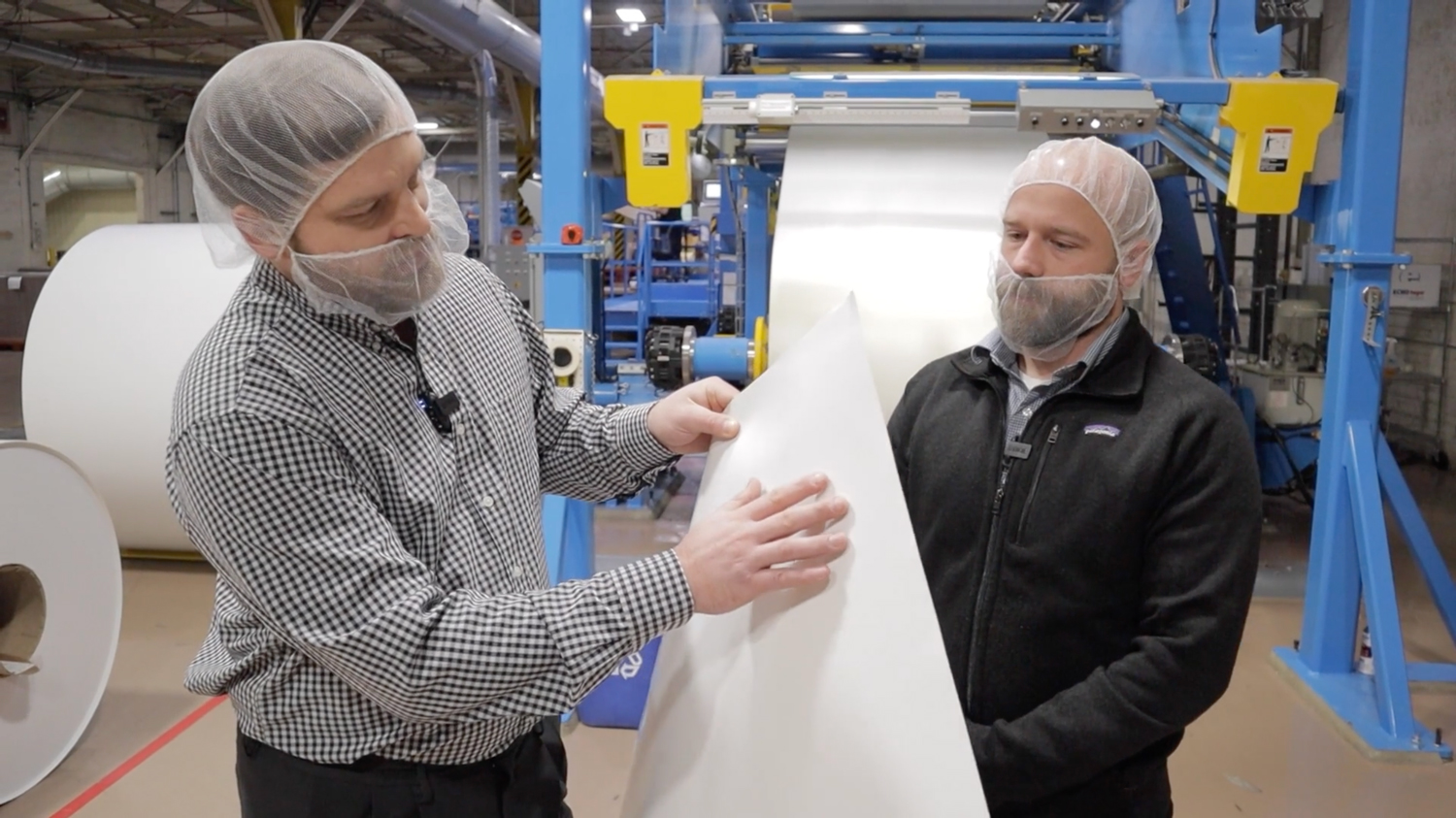
Meet the MOD-PAC team members explaining our most popular types of paperboard:
Paperboard Properties to Consider for Your Packaging
Choosing the right folding carton material depends on what characteristics your product requires of its packaging.
Durability
Packaging protects goods during shipping, on shelves, and before use in commercial and residential settings. Many products—especially in the food, beauty, and pharmaceutical industries—require excellent protection from environmental contaminants like light and moisture.
Paperboard packaging is generally strong and stiff, yet foldable, which is essential for shaping it into cartons.
Strength
Paperboard derived from softwoods like pine has longer, stronger fibers. Hardwoods, like oak or birch, have shorter fibers, which are not as strong. As paperboard is recycled, all of its fibers get shorter, reducing its strength. Stronger raw materials allow for thinner paperboards with the same strength as their thicker counterparts made from weaker raw materials. Strength can also be described as tear resistance.
Stiffness
Paperboard’s rigidity is a measure of its ability to remain in its form, despite external forces. This feature makes folding cartons more stackable. Bleaching and recycling can affect paperboard’s stiffness. Sizing can increase stiffness.
Moisture Resistance
Paperboard is not particularly moisture-resistant by nature. Sizing reduces absorbency and increases wet strength, making the material more suitable for refrigerated and frozen products. Clay coatings are also somewhat resistant to moisture and humidity.
Glueability
The majority of folding cartons are glued to maintain their shape, which makes glueability essential. In order for paperboard to glue well, it must be strong enough to stay together against the force of the glue. The paperboard must also be able to absorb the glue for the adhesive to be effective.
Printability
Packaging with high-quality printing and finishing contributes to a product’s shelf appeal, which is crucial in saturated retail and e-commerce environments. A clay coating’s smooth, white surface is ideal for vibrant colors and detailed graphics. SBS, CRB, and CUK also accommodate a range of decorative effects, including foil stamping, embossing, and debossing.
Printability is primarily affected by a type of paperboard’s brightness and coating.
Brightness
Bleach brightens paperboard fibers, which can help graphics stand out, even without a clay coating.
Coating
A smooth clay coating gives businesses a blank canvas that allows for high-quality printing.
Sustainability
Paperboard should always be sourced from sustainably managed forests or recycled materials via a certified chain-of-custody. MOD-PAC aims to continuously increase how much material we’re able to reclaim from our production processes, reducing the amount entering the solid waste stream.
Choose the Right Type of Paperboard with Confidence
Let the team at MOD-PAC help you find the right type of paperboard for your product’s packaging. Contact us for more information.