


Summary
White labeling and private labeling both rely on third-party manufacturing, but private label offers exclusivity, differentiation, and control, while white label prioritizes low cost and speed to market. As private label store brands are held to increasingly high standards, packaging plays a critical role in shoppers’ first impression, communicating quality and value to convince consumers to try a store brand over a trusted national one. MOD-PAC offers unique packaging solutions, including family pricing and in-house design and production support, to help retailers meet these demands.
White labeling and private labeling are often used interchangeably, but the two approaches to store brands come with distinct considerations, especially when it comes to packaging. As store brands are increasingly held to the same standards as national brands, understanding these differences can help retailers choose the right strategy for their brand, budget, and customer expectations, and design packaging that builds affinity with shoppers.
What is Private Labeling?
A private label product is manufactured by a third party to be sold under a retailer’s brand. However, private label goods are generally unique to that retailer to some degree, such as custom flavors or slightly different ingredients. The retailer may have some role in determining how their products are differentiated without developing the products themselves. These goods may be similar to name-brand products but are generally sold at a lower price.
Examples of Private Label Products
The private label industry is growing, making up almost a quarter of grocery store sales in 2025. The range of private label products available to consumers is also expanding, often to include premium offerings. Shoppers have become very familiar with national and regional retailers’ private label product lines, which often have their own branding beyond the retailers’ identity, such as:









What is White Labeling?
A white label product is made by a third-party manufacturer and sold as-is by multiple brands. The only difference between these “generic” products is the logo on the box.
What is the Difference Between Private Label and White Label?
Private labeling includes an element of exclusivity that white labeling does not. White label products use minimal branding, which takes a backseat to the product itself. Private label offers more opportunity for differentiation, which is communicated through branding and packaging.
White labeling offers lower costs and a faster time to market, making it more accessible for small and medium-sized businesses. Private labeling gives retailers more control over what they’re putting their name on, ensuring the products align with the brand’s values as well as customer needs and expectations. Private labeling requires more of an investment than white labeling. However, as more shoppers look to save (without sacrificing quality), 86% are buying the “private label versions of some or most of the products they regularly purchase,” meaning the investment can certainly pay off. Many consumers cite lower prices as part of the draw, though the majority of those surveyed also believe private label products offer the same quality as brand-name goods.
Sometimes, white label and private label are used interchangeably to describe “store brands,” and they do have some similarities. These products are both manufactured by third parties, who may also make and sell their own brand(s) or manufacture for several different retailers. While these agreements are rarely public, recalls often offer insight into which manufacturers produce which products. This information can be helpful for retailers looking to start or expand a private label program. In some cases, a retailer may invest in their own manufacturing, going beyond the traditional definition of a store brand. For example, Kroger manufactures approximately 30% of its store brands in its own facilities.
Packaging Considerations for Store Brands
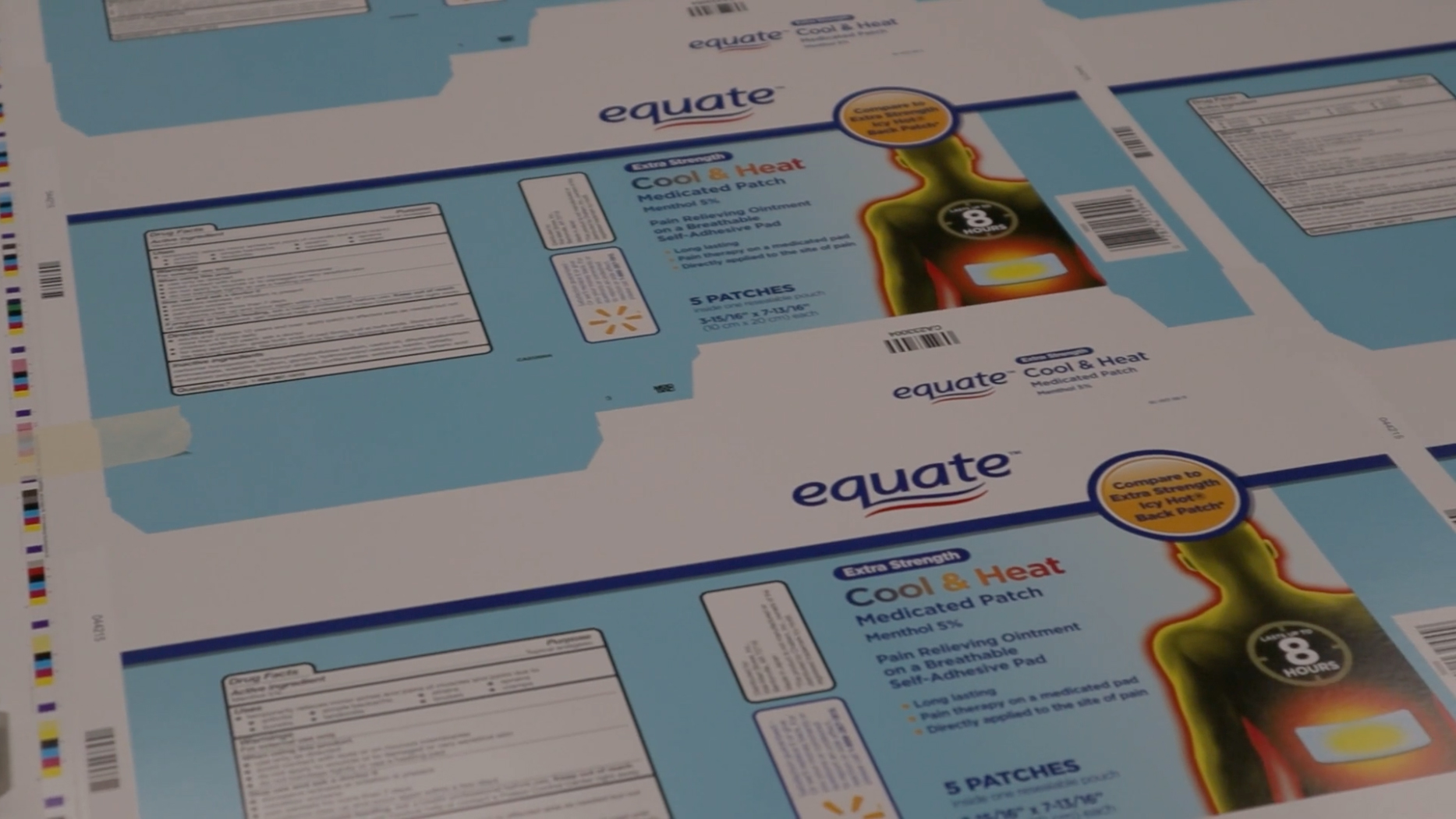
White labeling leaves little room for differentiation, making branding and packaging less important than distribution at a low price point. For private label goods, packaging shapes a shopper’s perception from its place on the shelf, which may be in the store or on a screen. This first impression must communicate what makes the product worth straying from a well-known national brand, which has earned its place in shopping carts with millions of marketing dollars and decades of reliability. People are shopping private labels more often, but global name brands are growing too, keeping competition fierce.
While price is certainly part of consumers’ decision-making, it is just one part, especially as retailers expand into premium products. Packaging (and merchandising) matter a lot for store brands.
1
Product Details
Of course, any product’s packaging needs to include basic information, including its name, ingredients, and instructions. This includes features and benefits to the user, especially if they’re unique to the product. For retailers working within the food, health and beauty, and pharmaceutical industries, label requirements are an essential consideration.
2
Packaging Design
While a product itself can encourage repeat purchases, the first purchase is largely dependent on standing out from manufacturers’ brands. Private label packaging must communicate value, because while consumers are looking to save, many won’t buy the cheapest product on the shelf if they don’t think it will meet their needs. In the US specifically, data shows that as price becomes more important, so does quality. In fact, several studies indicate that “the success of [store brands] depends not only on price but also on product quality.”
Branding and the packaging where it’s displayed are opportunities to indicate this quality to consumers. In today’s retail environment, private labels are brands that must not only be comparable to manufacturers’ brands, but stand on their own. Retailers have access to so much information about their shoppers’ habits and preferences, which makes them well-suited to meet these consumers’ wants and needs. With this information, private labels are moving beyond imitation, innovating and premiumizing offerings. The investment in private label products can pay off, not only in the direct sale of these products, but because the best store brands drive traffic to the retailers that offer them. Almost three-quarters of consumers choose the store they shop at because of its private label offerings.
Related Reading:
3
Packaging Functionality
Even a great private label product can feel the negative impact of packaging that doesn’t do its job. When people are buying a product to save, it’s important for it to last until its best-by date. The right packaging is protective and perhaps even resealable, helping products last longer. Packaging should also be easy to open and appropriately sized.
Expect the Expected with MOD-PAC
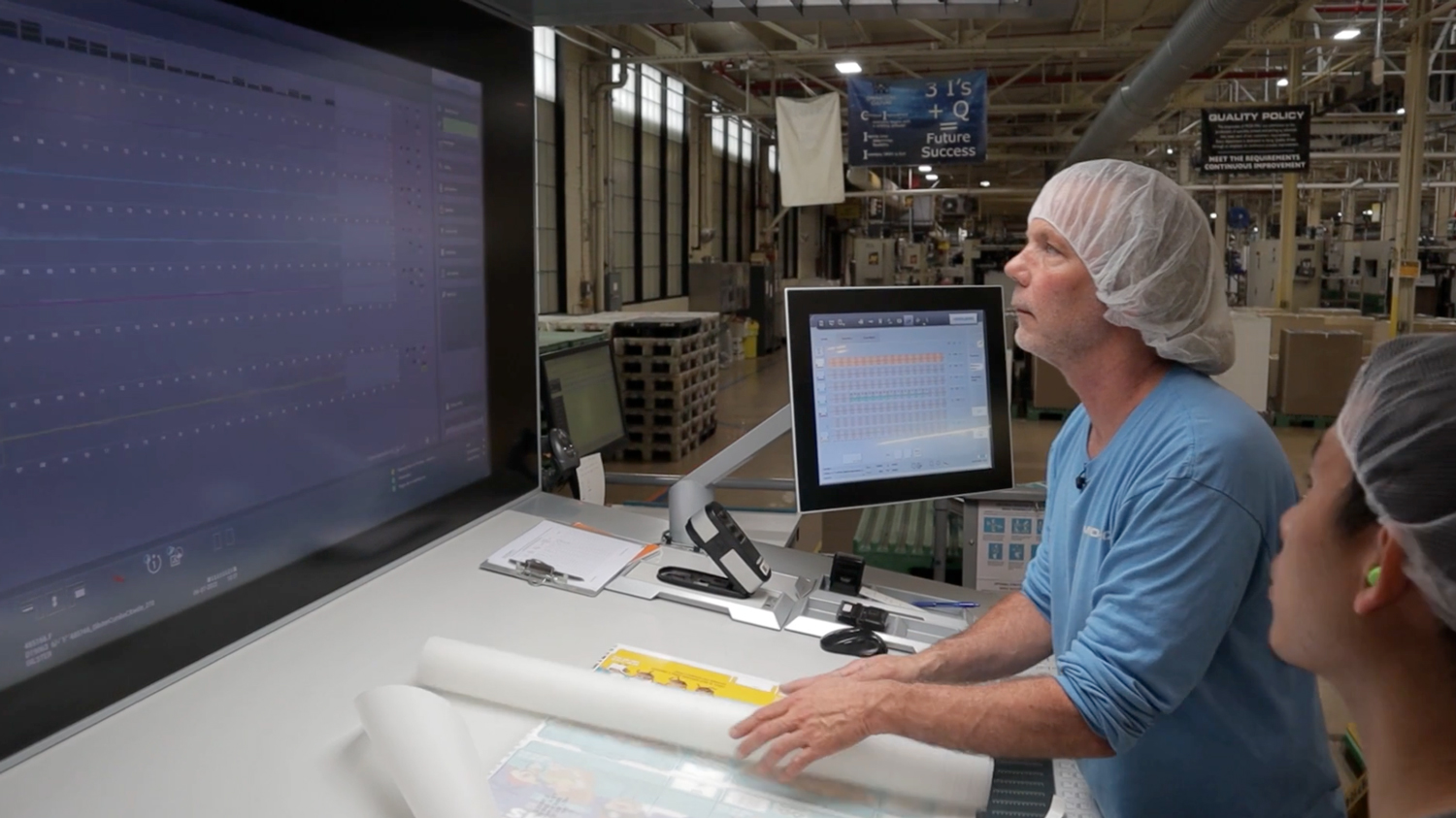
CEO Dan Keane and Sales Representative Rosie Heusinger share what makes MOD-PAC a great packaging partner for your private label products.
MOD-PAC specializes in private label packaging and offers several unique features designed to meet retailers’ needs.
Family pricing:
We allow for different SKUs on the same structure at the same price.
MTA manufacturing:
The make-to-availability production strategy, powered by AI-backed data analytics, reduces obsolescence, especially in industries with frequent labeling requirement changes.
In-house support:
MOD-PAC keeps graphics, plate making, die making, and die cutting in-house so we can quickly update artwork, which is particularly valuable for smaller retailers without their own design capabilities.
Together, these capabilities allow our customers to keep packaging costs lower without tying up cash in packaging held in storage. Their packaging also gets to press quickly and arrives fresh.
Other Relevant Concepts
If your brand is currently researching white label vs private label products, you may also see these terms.
Black Label:
Black label products are highly customized, exclusive products manufactured for a specific retailer. The retailer may play a more involved role in development than for private label products, but is not involved in manufacturing. The black label process is often used for premium products.
Manufacturer Brand:
Often referred to as name-brand products, these goods are developed, manufactured, and sold by a single company. Private label products generally compete directly with manufacturer brand products.
Contract Manufacturing:
When a brand outsources the manufacturing of a product, it’s called contract manufacturing. In this scenario, the brand may have developed their own product or worked with the manufacturer to develop the product, giving the brand more control than traditional private label agreements. Also known as co-manufacturing.
Contract Packing:
Contract packaging, or co-packing, involves a third party assembling and packaging a product for sale. The service can be used by a brand making their own products, or a retailer selling private label products.